Digital Debut
Meet the Board
Get to know your officers through these short interviews
INTERVIEWED BY SAHELY MUKERJI | FEBRUARY 20, 2026
 |
|
|
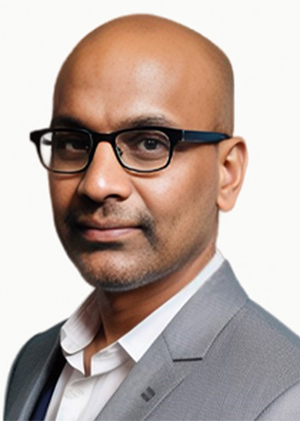
Raghu Reddy
|
|
We are running a series of Q&As with ASCA’s Board of Directors to help our members get to know them better. Meet Raghu Reddy, Board member and chief administrative officer of MiOrtho Surgery Center in Southfield, Michigan.
Q: How did you get into the ASC space?
Raghu Reddy (RR): More than 17 years ago, my entry into this space happened entirely by chance—at a time when I had never considered or was even familiar with the ASC community. I had been introduced to one of the founding members of my previous facility several years before he went on to establish the ASC with other prominent surgeons in our community. We stayed in touch over the years, and when I found myself exploring a new job opportunity, that connection led to a conversation about the fundamentals of the ASC community and how these centers operate. That conversation ultimately opened the door to my career in this field.
Quick Facts
Personal:
Age: 50
Place of birth: Telangana, India
Residence: West Bloomfield, Michigan
Family: Spouse, Sudharani; daughters, Nikhila (25), Deekshitha (25) and Annika (23)
Education: Bachelor of Science in biomedical engineering, Manipal Institute of Technology; Master of Business Administration, Frostburg State University
Career highlights: Worked as a software engineer, in sales, in human resources, and as a pharma and medical devices representative
First job: Software engineer
One-word description of self: Strategic
Go-to motto or phrase: “Commitment to excellence in everything we do.”
Your “superpower”: Thinking long-term
One thing most people at work do not know about you: I have excellent photography skills.
Q: What are your aspirations for ASCA?
RR: My aspiration for ASCA is for it to continue being the leading voice and trusted resource for the ASC community through advocacy and education. I hope to see ASCA further strengthen advocacy efforts at both the federal and state levels, ensuring ASC perspectives are well represented in policy, reimbursement and regulatory discussions.
Q: Who was a great mentor for you?
RR: A great mentor for me was not a single individual, but a group of physician leaders and industry veterans who helped shape my understanding of the ASC environment early in my career. I learned why they function the way they do—clinically, operationally and financially.
My mentors emphasized physician alignment, regulatory discipline and operational efficiency, but always asked to anchor my decisions in patient safety and experience. They taught how to lead with honesty, decisiveness and servant-oriented leadership.
Q: What are you most proud of in your ASC work?
RR: What I am most proud of in my ASC work is to continue to build on the expertise and helping build high-performing teams while navigating through various complexities, such as regulatory requirements, scheduling challenges, payer dynamics and growth pressures. I have built some great working relationships and an opportunity to collaborate on a few projects that will elevate our industry.
Q: If you could change one thing about the ASC community, what would it be?
RR: If I could change one thing about the ASC community, it would be to strengthen collaboration and engagement across centers—particularly around data and best practices. Too often, ASCs solve the same operational, regulatory and staffing challenges in isolation, when shared learning could elevate performance and compliance across the industry. We can do well by being more connected, being more local and helping those who need the support.
Q: What excites you most about the future of ASCs?
RR: I see the continued migration of cases from inpatient settings and the broader move toward site neutrality as major tailwinds for ASCs. When combined with advances in healthcare technology and evolving care models, these trends are paving the way for increasingly complex procedures to be performed safely in the ASC setting.
What excites me most is the growing body of data that clearly demonstrates the value ASCs deliver—high quality, efficiency and patient satisfaction at a lower total cost of care. That data puts us in a much stronger position with payers to advocate for more appropriate reimbursement and to help shape what sustainable, value-based outpatient care looks like in the future.
Q: What legacy do you hope to leave in the ASC space?
RR: The legacy I hope to leave is one of meaningful contribution to the ASC community—supporting advocacy, education, and efforts to make the community more connected and resilient in the face of healthcare’s evolving challenges. Even the smallest contribution—shaping the space in a way that brings about a small change or helps a peer—would be deeply meaningful to me and, I hope, leave a lasting impact on the industry.