NAMES IN THE NEWS
Prisma Health Neurosciences Names Former ASCA Board Member as President
MARCH 2, 2026
 |
|
|
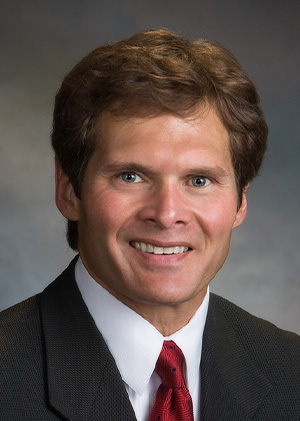
Anthony Asher, MD
|
|
Anthony “Tony” Asher, MD, who served on the ASCA Board from 2016-2019, joined Prisma Health Neurosciences Institute as president recently, according to a release. Asher is a practicing neurosurgeon who is internationally recognized as a preeminent neuroscientist.
“We are delighted to welcome Dr. Asher, who will lead the next evolution of our neurosciences services, where we will continue to move the institution toward national and international prominence,” said Prisma Health Medical Group President Jason Marx, MD, in the release. “As president, he will collaborate with stakeholders across Prisma Health and the University of South Carolina Schools of Medicine to develop a visionary model for the future of neurosciences care and research.”
Asher has held many senior leadership roles, including president of the Neurosciences Institute at Atrium Health and director of the Center for Neuroscience Innovation at Advocate Health, according to the release. He previously served as vice dean for the Neuroscience Center of Excellence and professor of neurological surgery at Wake Forest University School of Medicine. He has authored and coauthored more than 260 peer-reviewed publications, and his contributions in academic medicine—particularly in outcomes research, quality improvement and translational neuroscience—are widely recognized. His national leadership has included service as director and vice chairman of the American Board of Neurological Surgery, and as president of both the American Association of Neurological Surgeons and Congress of Neurological Surgeons.
Throughout his career, Asher has pursued innovation through multidisciplinary, cross-institutional collaboration, including the development of national clinical registries, healthcare policy initiatives, translational science efforts and biomedical technology. Most notably, he has helped establish enduring programs in neuro-oncology and clinical data science that have strengthened evidence-based practice, advanced understanding of therapeutic effectiveness, and produced care paradigms and delivery models adopted broadly across both academic and community settings, according to the release.